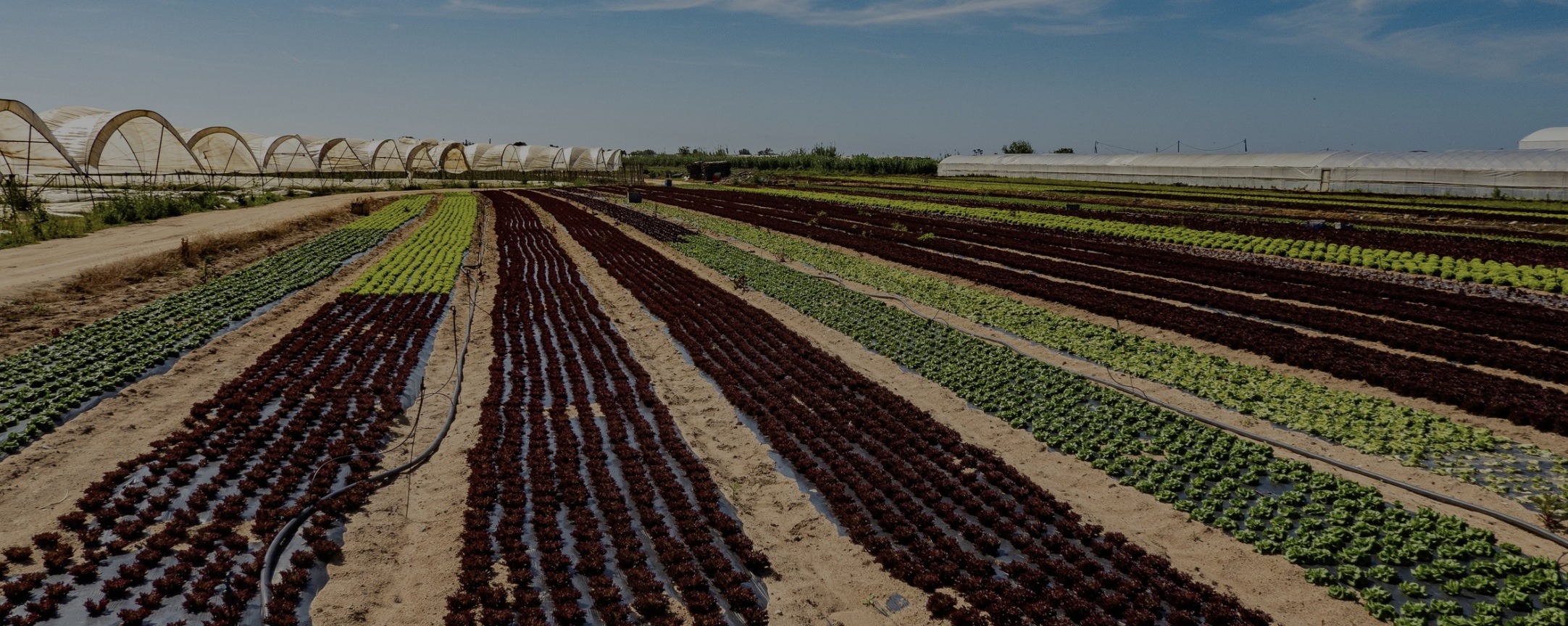
The agricultural sector is subject to increasingly demanding environmental standards. These regulations are designed to protect natural resources while supporting sustainable agricultural production. As part of a broader equipment maintenance strategy, Actioil additives can help farmers maintain engine performance and improve the operational efficiency of their machinery.
The Importance of Environmental Standards in Agriculture
Environmental standards are essential for limiting the impact of agricultural activities on the environment. Depending on the country and type of operation, they may include requirements relating to pesticide use, agricultural waste management, water resource protection, air quality, and greenhouse gas emission reduction. These regulations encourage farmers to adopt more sustainable practices and operate their equipment as efficiently as possible.
Supporting the Reduction of Pollutant Emissions
Emissions from agricultural machinery are an important environmental concern. Fuel combustion quality and the condition of the fuel injection system can affect engine performance and exhaust emissions. Actioil additives, including A550, are designed to help maintain fuel system cleanliness and support efficient combustion. Depending on the condition of the engine, fuel quality, and operating conditions, this may contribute to more stable engine performance and help limit certain emissions.
Protecting Water Resources
The protection of groundwater, rivers, and other water resources is another major environmental priority. Excessive or inappropriate use of fertilizers and pesticides can contribute to water pollution, while fuel or lubricant leaks from poorly maintained equipment may also create environmental risks. Fuel additives are not a direct water management solution. However, maintaining agricultural machinery in good operating condition can form part of a preventive maintenance strategy designed to reduce breakdowns, leaks, and accidental spills.
Supporting Preventive Maintenance
Environmental policies increasingly encourage the responsible use of maintenance products and other chemicals. Keeping engines and fuel systems clean may help limit deposit formation and support more consistent equipment operation. Actioil additives can therefore complement a preventive maintenance program. However, they do not replace the maintenance procedures, lubricants, replacement parts, or products recommended by the equipment manufacturer.
Contributing to More Sustainable Agricultural Operations
Sustainable agriculture involves protecting soil and water resources, reducing waste, controlling energy consumption, and improving the efficiency of agricultural operations. By helping maintain fuel system cleanliness and engine performance, Actioil additives may contribute to the efficient operation of agricultural machinery. Under suitable operating conditions, well-maintained equipment can provide more consistent performance and help control fuel consumption and associated emissions.
Supporting Environmental Objectives with Actioil
Meeting environmental requirements can be complex and may involve significant operational costs. Actioil additives can form part of an overall strategy combining suitable fuel management, preventive maintenance, regular inspections, and responsible equipment operation. They may help maintain fuel system cleanliness, support efficient combustion, preserve engine performance, limit deposit formation, and potentially extend the service life of certain components.
The use of an additive does not, by itself, guarantee compliance with environmental regulations. Farmers and equipment operators must continue to follow applicable legislation, manufacturer recommendations, and recognized maintenance procedures.
Conclusion
Environmental standards play an essential role in promoting more sustainable agricultural production. When used in accordance with the manufacturer’s instructions, Actioil additives, including A550, can support fuel system cleanliness, engine performance, and preventive maintenance.
As part of a broader environmental and maintenance strategy, Actioil can help agricultural operators improve equipment reliability and work toward greater operational efficiency. Product performance should nevertheless be assessed according to the equipment, fuel quality, and operating conditions involved.